

frosted mirror design
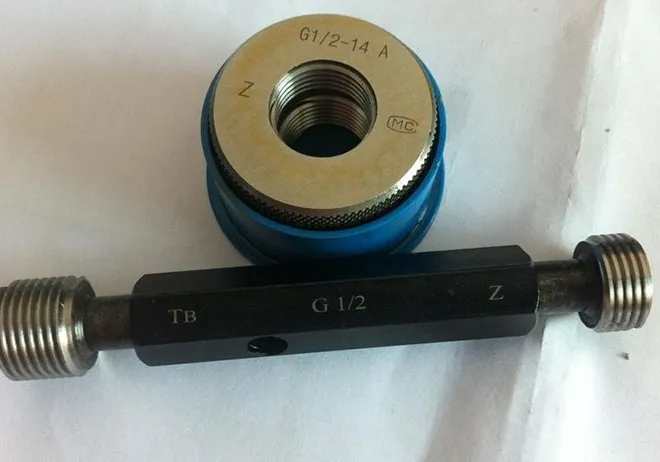
Understanding Plain Plug Gauge Standards Plain plug gauges are essential tools in the field of manufacturing and quality control. They are used to check the accuracy of hole dimensions and help ensure that parts meet specific design criteria. The standardization of these gauges is crucial for maintaining consistency, reliability, and quality in production processes across various industries. This article delves into the concept of plain plug gauge standards, their applications, types, and significance in ensuring precision in engineering. What is a Plain Plug Gauge? A plain plug gauge is a precision measuring instrument used primarily to inspect the internal diameters of holes. It is designed in a cylindrical shape and comes in various sizes to match the required specifications of different hole dimensions. The main purpose of a plain plug gauge is to determine whether the hole's diameter is within the acceptable tolerances defined by engineering drawings or standards. Importance of Standardization The standardization of plain plug gauges is imperative for several reasons 1. Consistency Standardized gauges ensure that measurements are uniform across different manufacturers and industries. This consistency is crucial for interchangeability, which is vital in mass production settings. 2. Quality Control Having standardized dimensions means that quality control processes can be uniformly applied. This helps eliminate defects and ensures that products meet customer expectations and regulatory requirements. 3. Efficiency Standardization reduces the time and cost involved in manufacturing gauging tools. Manufacturers can produce gauges that comply with widely accepted standards, which streamlines production and reduces lead times. 4. Global Trade In an increasingly globalized market, standardization facilitates international trade. When manufacturers use standardized gauges, buyers can be more confident in the quality and reliability of components regardless of where they are produced. plain plug gauge standard Types of Plain Plug Gauges Plain plug gauges typically come in two forms go and no-go gauges. - Go Gauge This gauge is used to check if a hole meets the minimum size requirement. If the gauge fits into the hole, it indicates that the hole size is acceptable. - No-Go Gauge Conversely, the no-go gauge checks if a hole is within permissible limits by determining its maximum size. If the no-go gauge fits, it signifies that the hole is too large and out of specification. Using both gauges together allows for a comprehensive assessment of hole dimensions, ensuring they meet specified tolerances. Applications Plain plug gauges are widely used in various industries, including automotive, aerospace, machinery, and electronics. They are instrumental in processes where precision is paramount, such as - Ensuring the proper fit of components in assemblies - Verifying hole sizes for bolts, screws, and other fasteners - Conducting routine inspections in quality control settings Conclusion The standardization of plain plug gauges is vital for maintaining precision and reliability in manufacturing processes. These gauges play a crucial role in quality control, ensuring that parts meet the necessary specifications and tolerances. With their simple yet effective design, plain plug gauges allow manufacturers to uphold standards, enhance productivity, and facilitate global trade. As industries continue to evolve and demand higher precision, the importance of standardized measuring tools like plain plug gauges will only grow. Understanding and implementing these standards is key to sustaining quality and excellence in production practices.
about
frosted mirror design
Understanding the 8% Butterfly Valve in Industrial Applications The butterfly valve is a crucial component in various industrial applications, and the 8% butterfly valve is particularly notable for its efficiency and functionality. This type of valve is primarily used for regulating flow, making it a key element in processes that require precise control over fluid movement. What is a Butterfly Valve? A butterfly valve is a flow control device consisting of a disk attached to a rotating shaft. The disk is positioned in the center of the pipe, and when the valve is opened, the disk rotates to a parallel position to allow fluid to flow through. Conversely, when the valve is closed, the disk turns perpendicular to the flow direction, obstructing it. The design of the butterfly valve makes it an attractive option for many applications due to its lightweight structure and ease of operation. The 8% Butterfly Valve Explained The term 8% butterfly valve generally refers to a specific design aspect or operational capability of a butterfly valve. It can indicate the flow capacity or the degree to which the valve opens. In many industrial processes, achieving precise flow control is essential, and the 8% reference often denotes the percentage of the valve's travel that effectively controls fluid flow. This means that when the valve is opened by 8%, it allows for a certain predefined flow rate, making it easier for engineers to design and optimize systems relying on this component. Benefits of Using the 8% Butterfly Valve 8 butterfly valve 1. Efficiency One of the primary advantages of the 8% butterfly valve is its efficiency in managing fluid flow. The ability to control flow in small increments enhances its effectiveness in applications where precision is paramount, such as in chemical processing or water treatment facilities. 2. Space-Saving Design Butterfly valves take up significantly less space than traditional gate or globe valves, making them ideal for applications where space is limited. Their compact design allows for easier installation and can lead to cost savings on piping systems. 3. Reduced Pressure Drop Compared to other valve types, butterfly valves typically offer a lower pressure drop when fully opened. This characteristic can lead to energy savings in pump operations, making them a popular choice in various fluid handling systems. 4. Durability Constructed from high-quality materials, 8% butterfly valves are built to last. They are resistant to wear and corrosion, making them suitable for a wide range of media, from water and steam to various chemicals. 5. Versatility These valves can be used in a multitude of applications, including HVAC systems, food processing, pharmaceuticals, and more. Their ability to handle different flow rates and pressures adds to their appeal across various industries. Conclusion The 8% butterfly valve represents an essential tool for engineers and operators who require reliable and precise flow control in their systems. Its efficiency, compact design, and durability make it a preferred choice in many applications. As industries continue to advance and seek ways to optimize their operations, the importance of such components will only grow. Understanding the operational features and advantages of the 8% butterfly valve can help in making informed decisions when designing or upgrading fluid handling systems. Embracing innovative technologies like the butterfly valve is not just a matter of choice but a strategic move towards enhanced operational efficiency and sustainability.
-

High quality industrial productsagement

High quality industrial products
View Details -

Meet the diverse needs of customers

Meet the diverse needs of customers
View Details -

Strict quality control

Strict quality control
View Details -

Top raw materials

Top raw materials
View Details -

Trusted supplier

Trusted supplier
View Details
Our application


news and information
Welding Table Clamps for Enhanced Precision and Stability in Metalworking Projects
The Importance of Welding Table Clamps in Metal Fabrication Welding is a crucial process in the meta

Water Meter Shutdown Valve Installation and Maintenance Guide for Homeowners
Understanding Water Meter Shut-Off Valves Importance, Functionality, and Maintenance In residential

welding table workbench
The Essential Guide to Welding Tables and Workbenches Welding tables and workbenches are vital tools
 English